





Garden Exposition
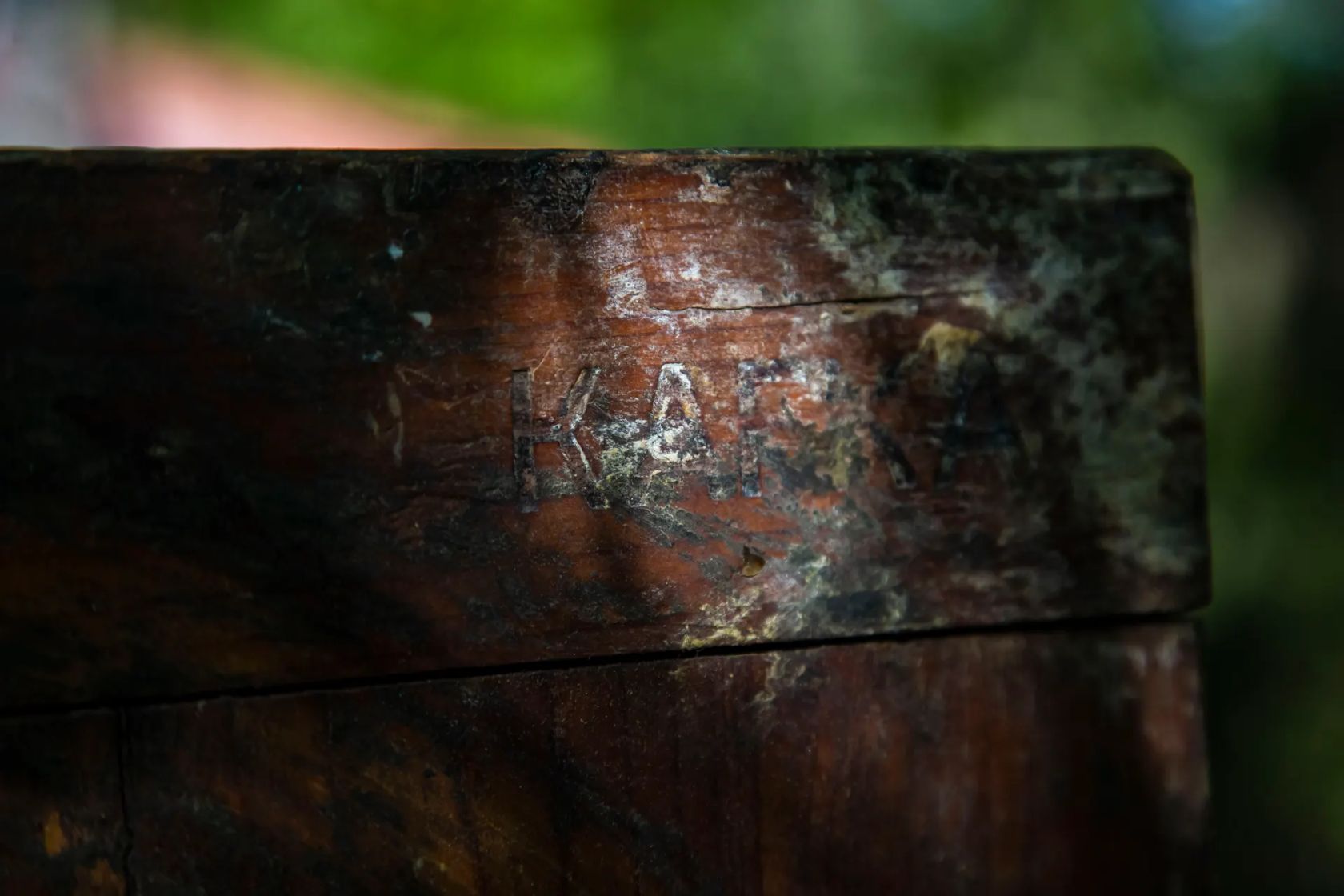
The Garden Exposition is an attempt to illuminate the garden’s multiplicity and constant transformation, its processes of becoming, its shared and individual experiences, and the possibilities of forming deeper connections with the human and more-than-human world. It reveals years of layering, composting, and other processes that have taken place – and continue to take place – in the garden, without the need to divide them into the binary categories of nature and culture. Rather than placing artworks in the garden, the exhibition reveals the complexity of the garden itself and everything that shapes it. It critically engages with the notion of illumination, historically rooted in the concept of exhibition-making as a tool of power that determines what is brought to attention and what is pushed into the background. For us, the garden is neither a subordinate tool nor a backdrop, but a collaborator with a far more intricate body and inspiring internal processes that unfold in parallel with human ones.
The Garden Exposition did not emerge overnight. It is the result of long-term collective observation, attuning ourselves to the garden, and deepening an interspecies network of relations. Thanks to the very limited interventions made since the garden was enclosed a century ago, it has become a unique assemblage of many bodies, surviving in this fragile enclave in the middle of a busy city that extracts, displaces, and seeks to control everything more-than-human. Fragments of sculptural works from the past emerge from the bushes and beneath the leaves, offering foundations for mosses and fungi. The garden adapts these fragments to its own needs, incorporating them into its multilayered body. The works – garden interventions by artists from recent years, as well as entirely new ones – have been created with the intention of growing together with the garden, or of offering an impulse or support for what has become weakened within it.
The garden is a world, an interconnected whole. What turns it into an exhibition is the dramaturgy of how it is experienced. This determines what will be illuminated on this particular occasion and what, by contrast, will remain hidden. This is not an exhibition of artworks, but an exhibition of the garden and everything that constitutes it: plants, paths, a pond, animals on, above, and beneath the ground, fungi, sculptural fragments, architectural and functional interventions, as well as the memories and emotions associated with the place.
We would like to thank everyone who cares about Kafkárna and, in particular, Kurt Gebauer, who discovered Kafkárna as a place for his studio and remains an integral part of it to this day; Matouš Lipus for his long-term care of Kafkárna; and Kateřina Vídenová and Amálie Bulandrová for conceiving and organising the many activities that seek to make Kafkárna a place for everyone.
Garden Diary in PDF: Garden Diary